How to Run a Trade Business More Efficiently in Australia: The Work Smarter Playbook
Four recurring admin tasks eat a tradie's evenings. Here's the leaner version of each, and how to reclaim hours a week.
Korda Team

It's Wednesday evening. You've finished the last job at 4:30, done a supply run, and got home at six. Dinner's done, kids are sorted, or close to it. Now it's 8:30pm, and you're at the kitchen table with your phone and a warm cup of tea, working through the stack.
Three invoices to write from this week. Two follow-ups on jobs from last week that still haven't been paid. A missed call from the accountant. A Xero reconciliation you've been avoiding since Monday because you're not sure what the bank rule should be for the new supplier. And somewhere in here, a quote that needs to go out by tomorrow morning.
This is the week most Australian trade business owners are actually running, not the version where the admin is under control, but the version where it follows you home, sits at the table with you, and takes the hours that were supposed to be off.
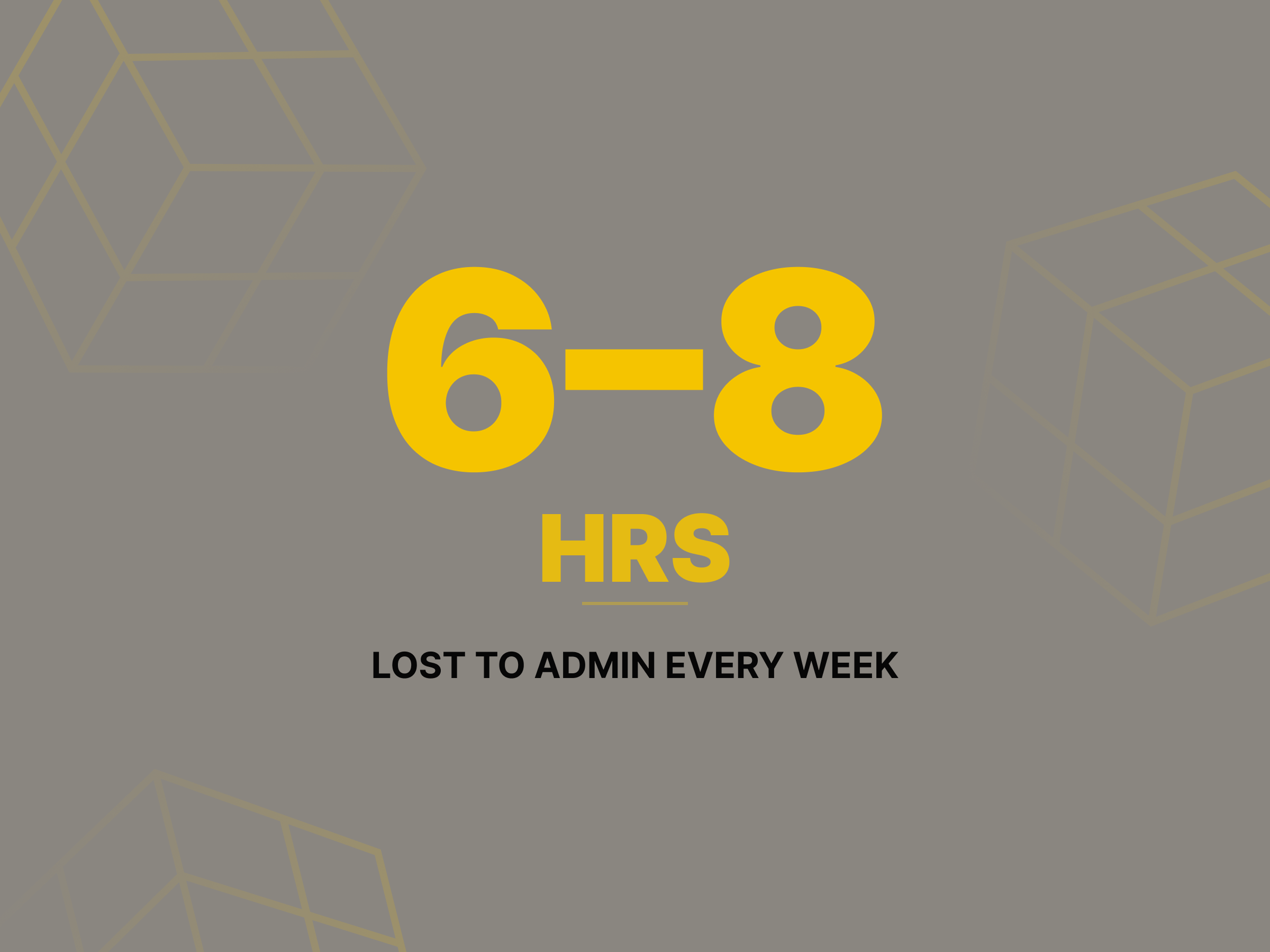
The tradies who've escaped this aren't working harder. They didn't find more discipline or a better reminder system. They removed the steps that were causing the problem in the first place.
That's what working smarter means here. Not doing more. Not optimising harder. Removing the steps that shouldn't be there.
The smartest operators don't work harder than everyone else. They've removed the steps that don't need to happen.
The four tasks that own your evenings
For most trade businesses, the real recurring weight of admin comes down to four things: write the invoice, chase the overdue one, check what's been paid, and reconcile Xero. Everything else is a variation on those four. Each one has a leaner version.
1. Write the invoice
Current version: Job finishes. You drive home. You open the invoicing app that evening, re-enter the client details, type the line items from memory, check the GST, and set the due date. Eight to twelve minutes per invoice, three to five evenings a week.
Leaner version: Job finishes. A thirty-second voice note from the driveway, job description, amount, client name. The invoice draft comes back into WhatsApp. You review it, approve it, and it's sent, with the Xero record created automatically.
The difference isn't speed inside the invoicing app. It's whether the invoicing app is where you already are.
2. Chase the overdue invoice
Current version: You remember an invoice is overdue when the pressure gets uncomfortable, usually around the 21-day mark, sometimes later. You write a follow-up message individually, feeling slightly awkward. Some get chased. Some don't.
Leaner version: The follow-up sequence runs automatically: a professional reminder at seven days, a firmer one asking for a payment commitment at fourteen. You see the result, not the process, and the ones that need a phone call get flagged for you.
The awkwardness doesn't disappear entirely, but it becomes the exception rather than something you have to generate from scratch every time.
Worth being specific about why this differs from what's already sitting inside Xero. Xero can send reminder emails, but the setting is off by default, capped at a handful of stages, email-only, and fires silently: you're not told when a reminder goes out, so you have no way of knowing whether the client's been chased or gone quiet. A leaner setup means you find out the moment a reminder fires, on WhatsApp, alongside the invoice you already sent.
The same applies before you've won the job: here's how to follow up a quote with a simple 2-7-14 schedule.
3. Check what's been paid
Current version: You check your banking app, then Xero if it's reconciled, then try to piece together which invoices have been paid, often from memory or by scrolling back through sent emails.
Leaner version: Three numbers, updated overnight, waiting before the first job: collected this week, outstanding, and overdue. You don't log in to find them. They arrive.
The goal isn't a full dashboard. It's knowing your position before the day starts, so that position can inform decisions instead of forcing you to catch up.
4. Reconcile Xero
Current version: Bank transactions stack up. You open Xero, work through the unreconciled items, try to remember what each transaction was for, and create bank rules for things that should have been automated weeks ago.
Leaner version: Invoices sync to Xero the moment they're sent. Bank rules handle the recurring items. What's left for reconciliation is genuinely unusual: one-offs, new suppliers, things that actually require a judgment call.
Don't automate the judgment. Automate the repetition. That distinction is where most people go wrong.
This is also roughly where Xero's own JAX assistant is genuinely useful; it's built to help with reconciliation and GST questions once transactions are already sitting in Xero. It doesn't reach back into steps one and two above, drafting the invoice in the first place and getting a job-site voice note into a usable record, which is where most of a tradie's evening actually goes.
What the leaner week actually looks like
This isn't a fantasy version of the week. It's the week that's available once the four recurring tasks have been stripped back to their minimum viable form.
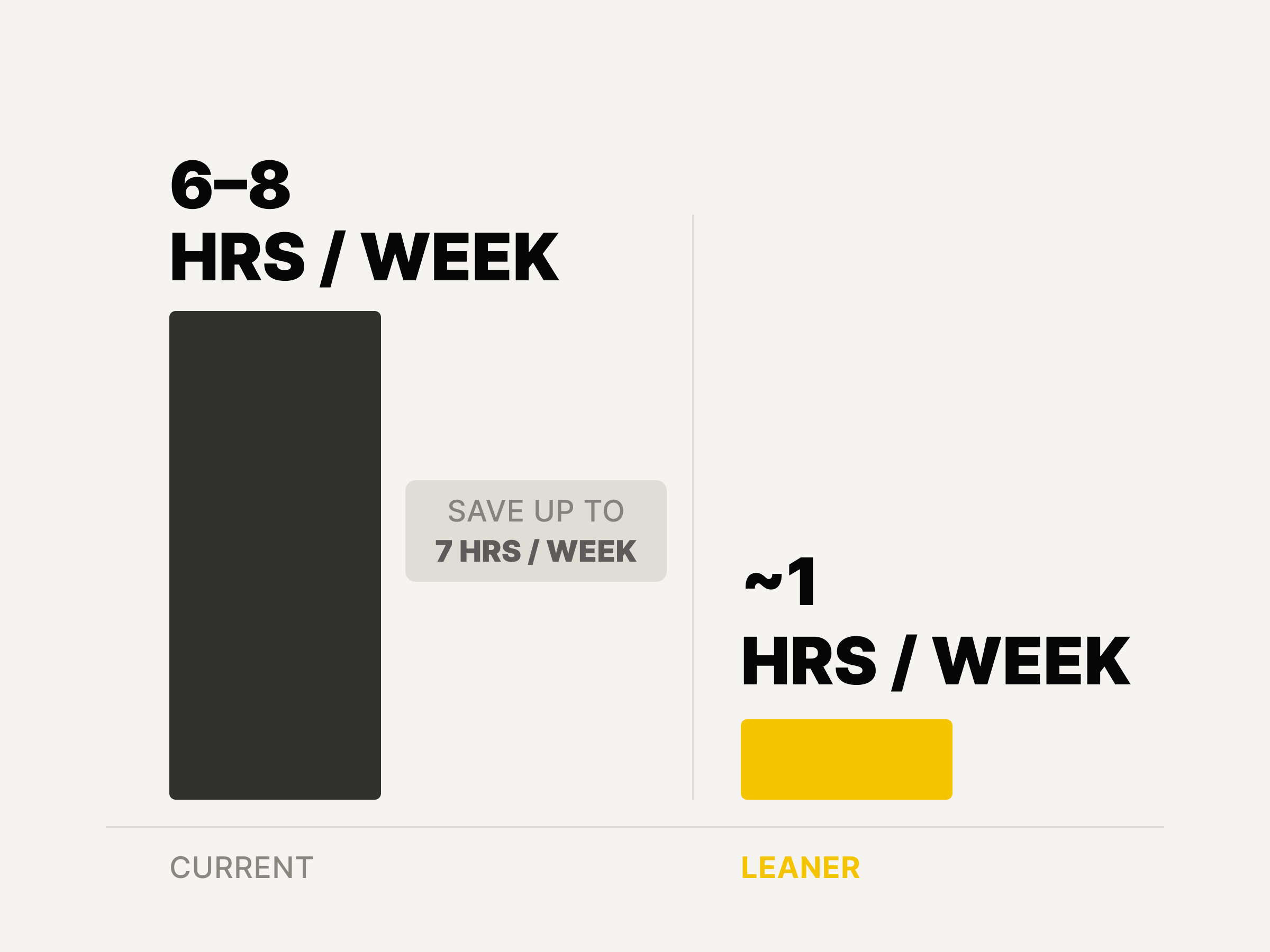
The hourly rate argument
Most trade business owners have a billable rate, and every hour spent on admin is an hour not billed at that rate. Rates vary by trade and by city, but a working mid-market figure many Australian tradies use for their own time is around $120–$180 an hour.
Two hours of evening admin, three times a week, at $120 an hour, works out to $720 a week in opportunity cost — hours that could have been billable, or genuinely off. Across a 48-week working year, that's over $34,000 in time valued at your own rate, spent on tasks that largely shouldn't require your involvement at all.
Source for this rate: The $120/hour figure sits within the real range: licensed Australian tradies (electricians, plumbers) typically charge $100-$180 an hour for metro residential work in 2026 (The Quote Yard, 2026 Tradie Hourly Rate Report). $120 is a conservative, defensible figure within that band.
The calculation: hourly rate x hours spent on admin per week x 48 working weeks = the annual cost of the current system, at your own rate.
The comparison isn't with hiring a bookkeeper, though that's part of the picture. It's with the cost of a system that automates the repetition for a fraction of that amount. Evening admin is the most expensive hour of your week. It just doesn't feel that way, because nobody invoices you for it.

Mindset first, tools second
Working smarter isn't about technology first. It's about how you look at the week: identifying the steps that exist because nobody has removed them yet, and asking whether they need to be there at all.
The best-run trade businesses in Australia share a pattern. Their owners aren't unusually disciplined or unusually tech-savvy. At some point, usually when the pressure was high enough, they decided to stop doing what a system could do manually. And they've kept making that decision as the business grows.
The tools make it possible. The mindset is what makes it stick.
Work out where your evenings are going. Work out what's taking them. Then ask, for each thing: does this need to be me? Does this need to happen this way? Does this step need to exist at all?
The answers to those questions are the playbook.
Frequently asked questions
How much time do Australian tradies spend on admin each week?
It varies by trade and business size, but invoicing, payment chasing, and reconciliation commonly add up to several evening hours a week for owner-operators, most of it happening outside billable job time.
How can I automate invoicing for a trade business?
The most effective approach is to remove the re-entry step entirely: capture job details as a voice note or quick message from the job site, then generate and send the invoice from that, rather than opening a separate app later and typing it in from memory.
What's the best way to chase overdue invoices without it feeling awkward?
Set a fixed, automatic follow-up sequence, such as a reminder at seven days and a firmer message at fourteen, so the chasing happens consistently and isn't something the business owner has to individually write and send each time. Choose a system that tells you when a reminder has gone out, rather than one that sends it silently in the background.
How do I reconcile Xero faster as a trade business owner?
Reduce what needs reconciling in the first place. Invoices that sync to Xero automatically when sent, plus bank rules for recurring supplier and expense transactions, leave only genuinely unusual items for manual review.
What is Korda Pro?
Korda Pro is a WhatsApp-native invoicing and job management platform built for Australian trade businesses, with direct Xero integration. It's a separate company and product from the advisory and restructuring firm KordaMentha.